August, 7, 2026 — December, 15, 2026
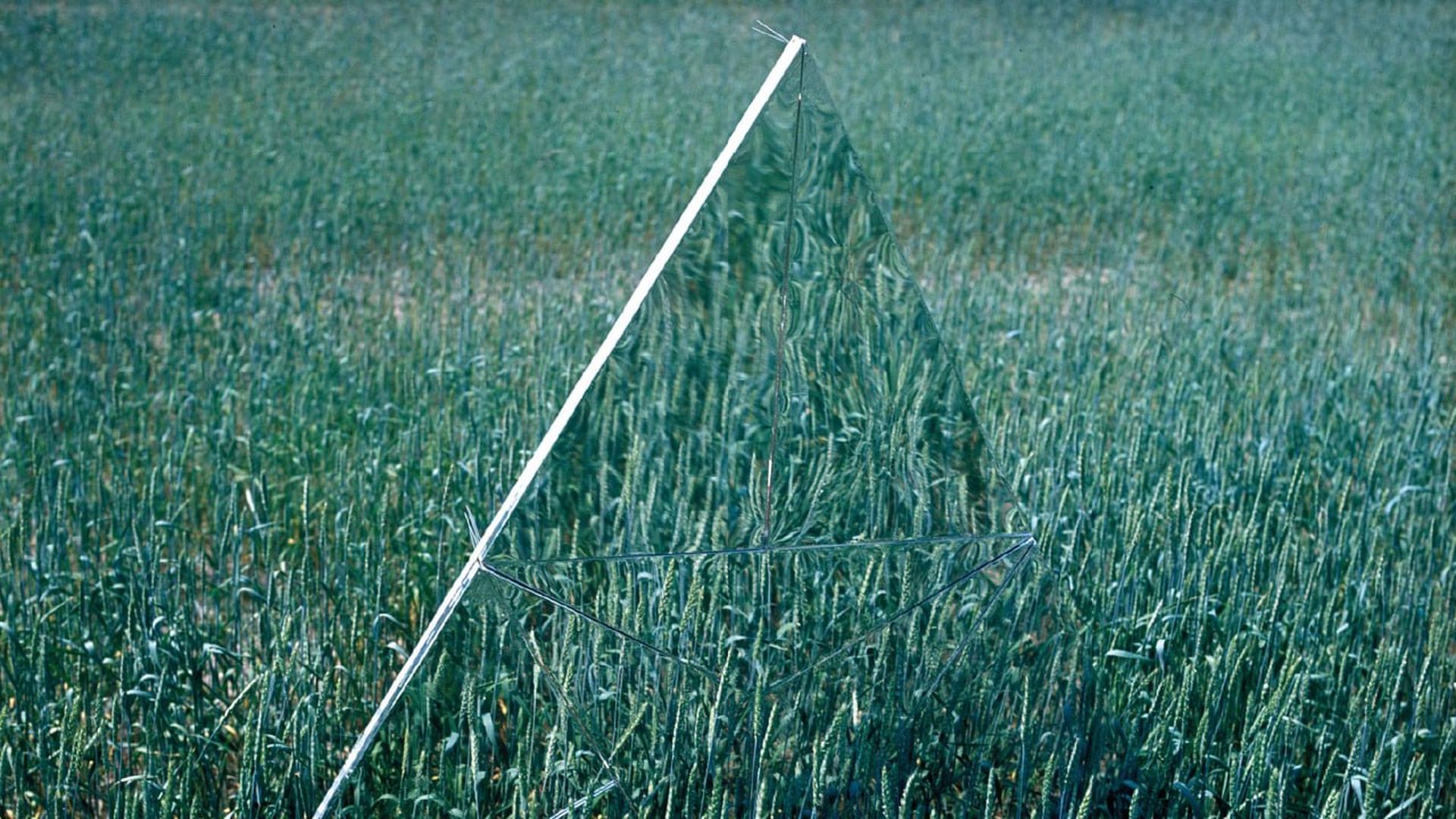
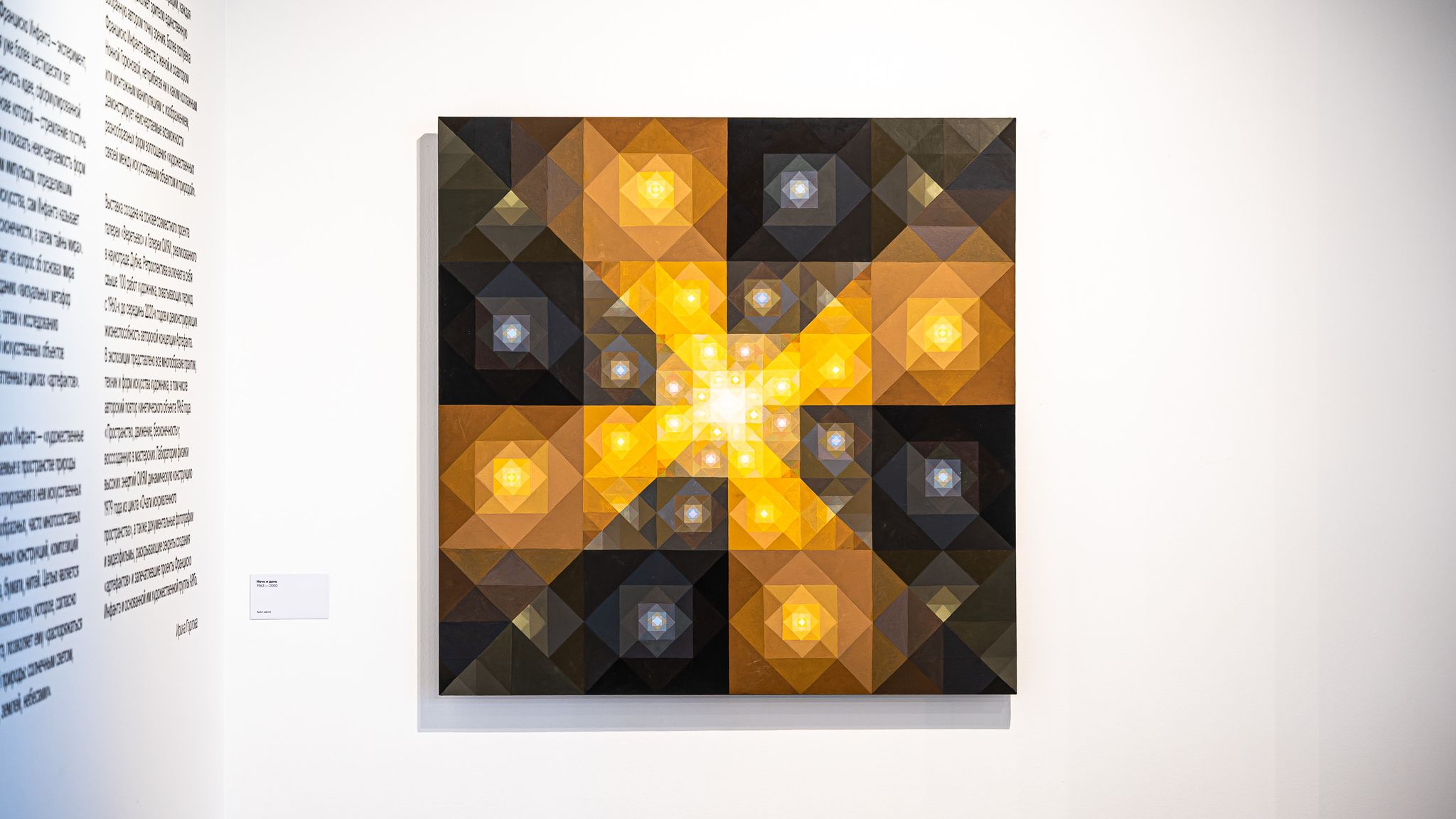
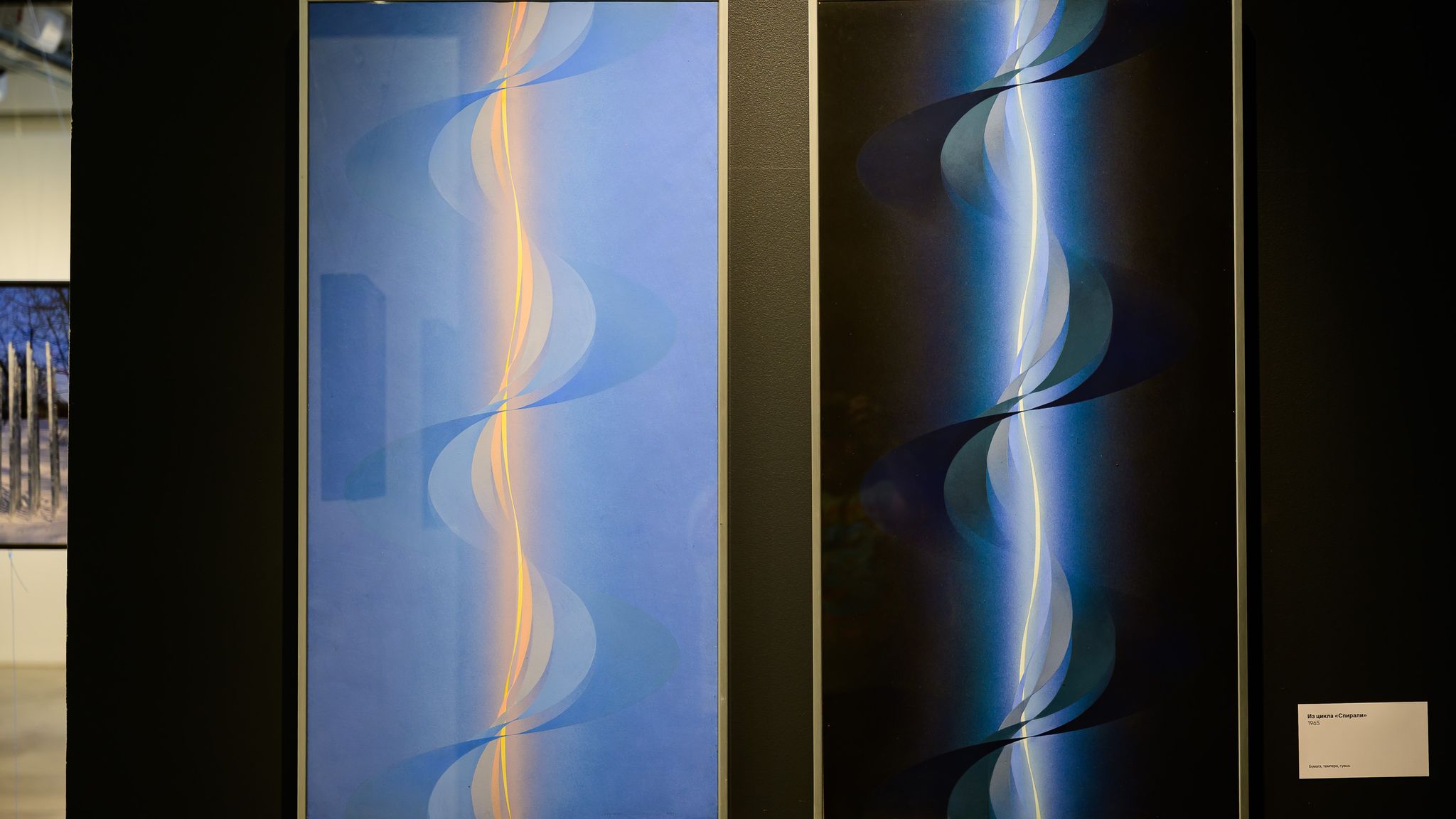
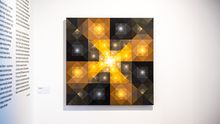
“Francisco Infante’s Artifacts” is a retrospective of one of the most prominent Russian artists of the second half of the 20th century, a pioneer of Russian kinetic art and the creator of the unique artistic concept of the “artifact.”
The exhibition will feature more than 100 works created from the 1960s to the mid‑2020s and, for the first time, will allow residents and visitors of Tula to get acquainted with the artist’s work on such a large scale.
The exhibition is based on a joint project of the Veretievo Gallery and the Gallery of the Joint Institute for Nuclear Research (JINR), which was first presented in the science city of Dubna. The project’s curator is art historian Irina Gorlova, one of Russia’s leading curators of contemporary art, who previously headed the department of the latest trends at the State Tretyakov Gallery.
Francisco Infante explores the possibilities of understanding and transforming reality through art, incorporating nature itself, space, light, and movement into his works. His creative practice lies at the intersection of art, science, and philosophy, and the main theme is the search for new ways to demonstrate the diversity of the surrounding world.
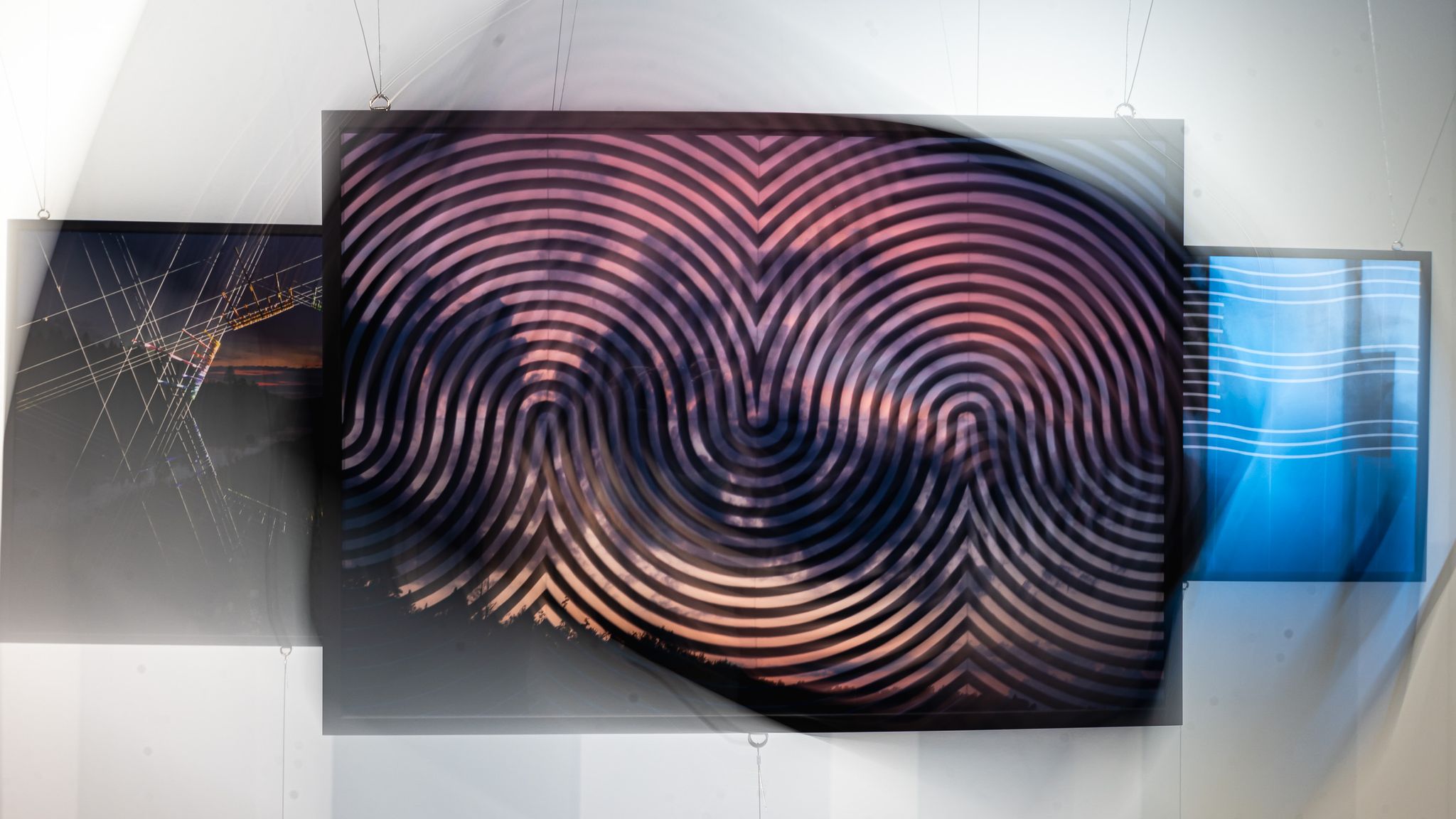
The main impulse that defined the direction of Francisco Infante’s art back in the 1960s was “the experience of infinity, and then the mysteries of the world.” The search for visual equivalents of infinity found expression in the master’s work in “images of the metaphysical dimension” — in works on paper, in paintings that developed into kinetic objects, and from the mid‑1970s — in photographic cycles of “artifacts.” Francisco Infante’s artifacts are “artistic events” created in the space of nature by installing artificial objects in it — sometimes literally for a moment — such as mirror structures, compositions made of wood, cardboard, paper, and threads. The goal is to discover the “playground,” which, according to Infante’s concept, allows him to “control the attributes of nature itself: sunlight, air, snow, earth, and the sky.” The result is a series of photographs, each presenting the viewer with the single point of view chosen by the author.
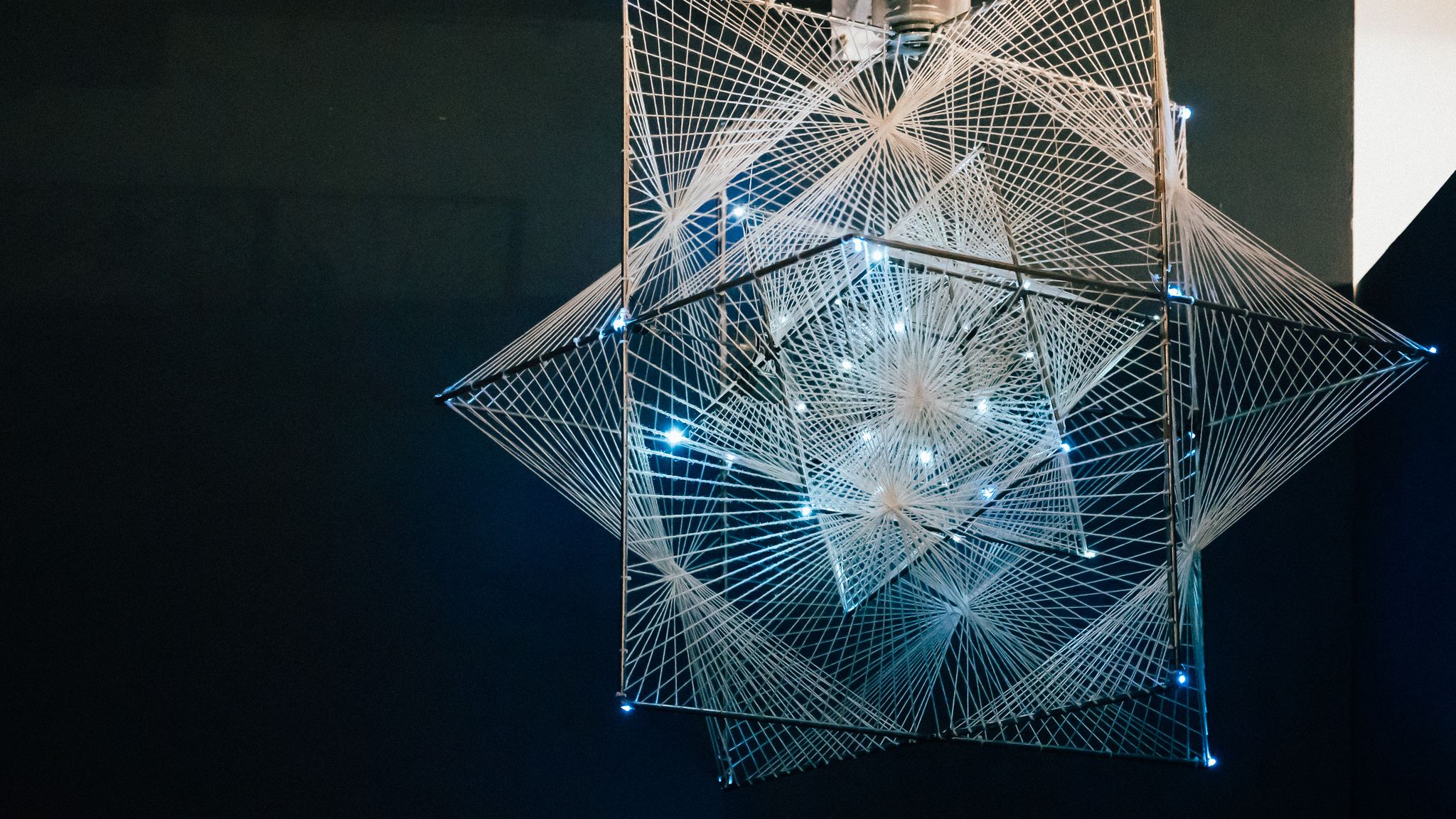
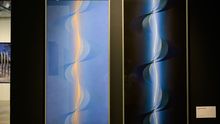
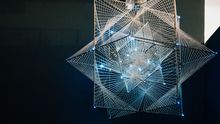
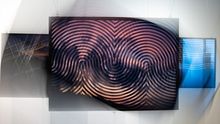
The exhibition features photographic documentation of the filming of artifacts and films that reveal the secrets of the master’s creative work, as well as the artist’s iconic kinetic objects. Among them is the author’s reproduction of the work “Space, Motion, Infinity” (1965) and a dynamic structure from the cycle “Holes of Warped Space,” recreated using new materials by specialists from the Laboratory of High‑Energy Physics at the Joint Institute for Nuclear Research.
In 2026, the author’s concept of “Artifact” will be 50 years old. The exhibition in Tula offers an opportunity to see how an idea born in the mid‑1970s continues to remain relevant today, offering the viewer a new perspective on space, nature, and the very process of perceiving the surrounding reality.
Official federal media partners of the exhibition: Pravila Zhizni, Snob, Moskvichka, Del’arte, Ob’edinenie, Afisha.